

Burnt wood
Burnt wood is crafted using the traditional Japanese Shou Sugi Ban technique, making the timber highly resistant to moisture, mold, and pests. The wood charring process significantly enhances the durability of the boards while providing a distinct, modern aesthetic for facades, interior designs, fencing, and decking.
Popular Burnt Wood Colors
Our charred boards are available in a versatile range of tones – from deep charcoal blacks and light natural hues to rich, vibrant shades. The chosen color not only defines the aesthetic of your project but also plays a key role in the surface’s resistance to UV rays.
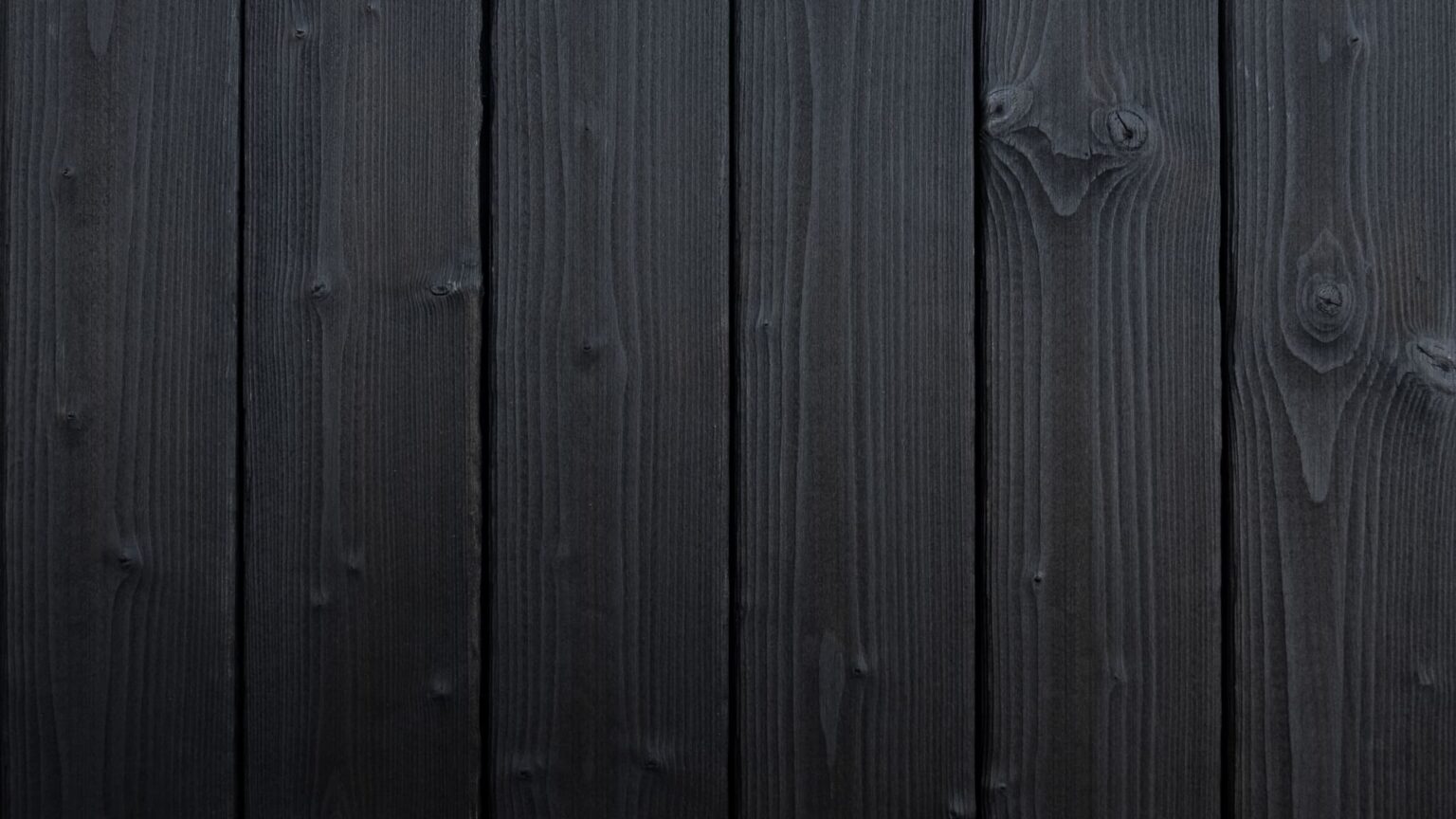
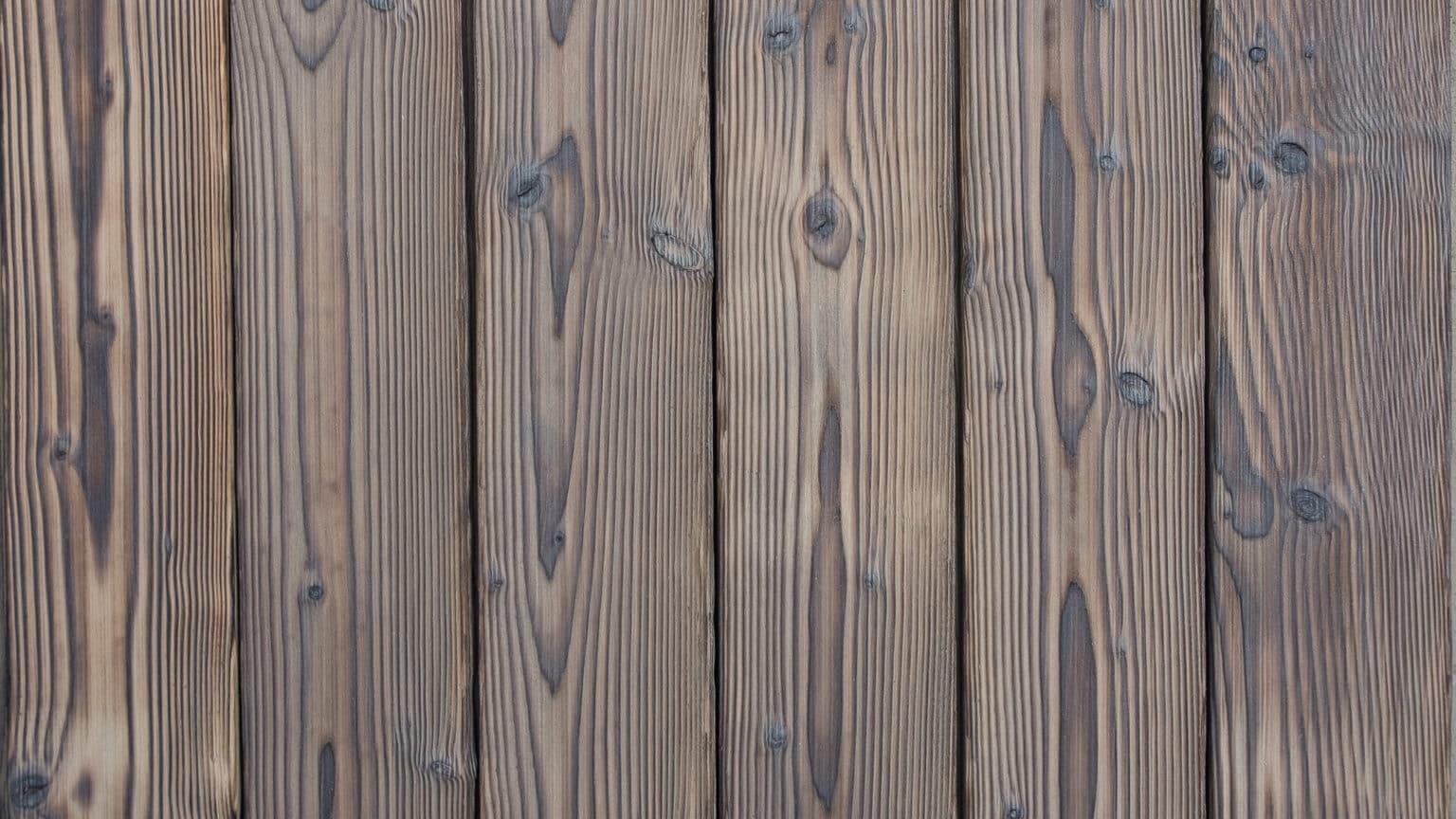
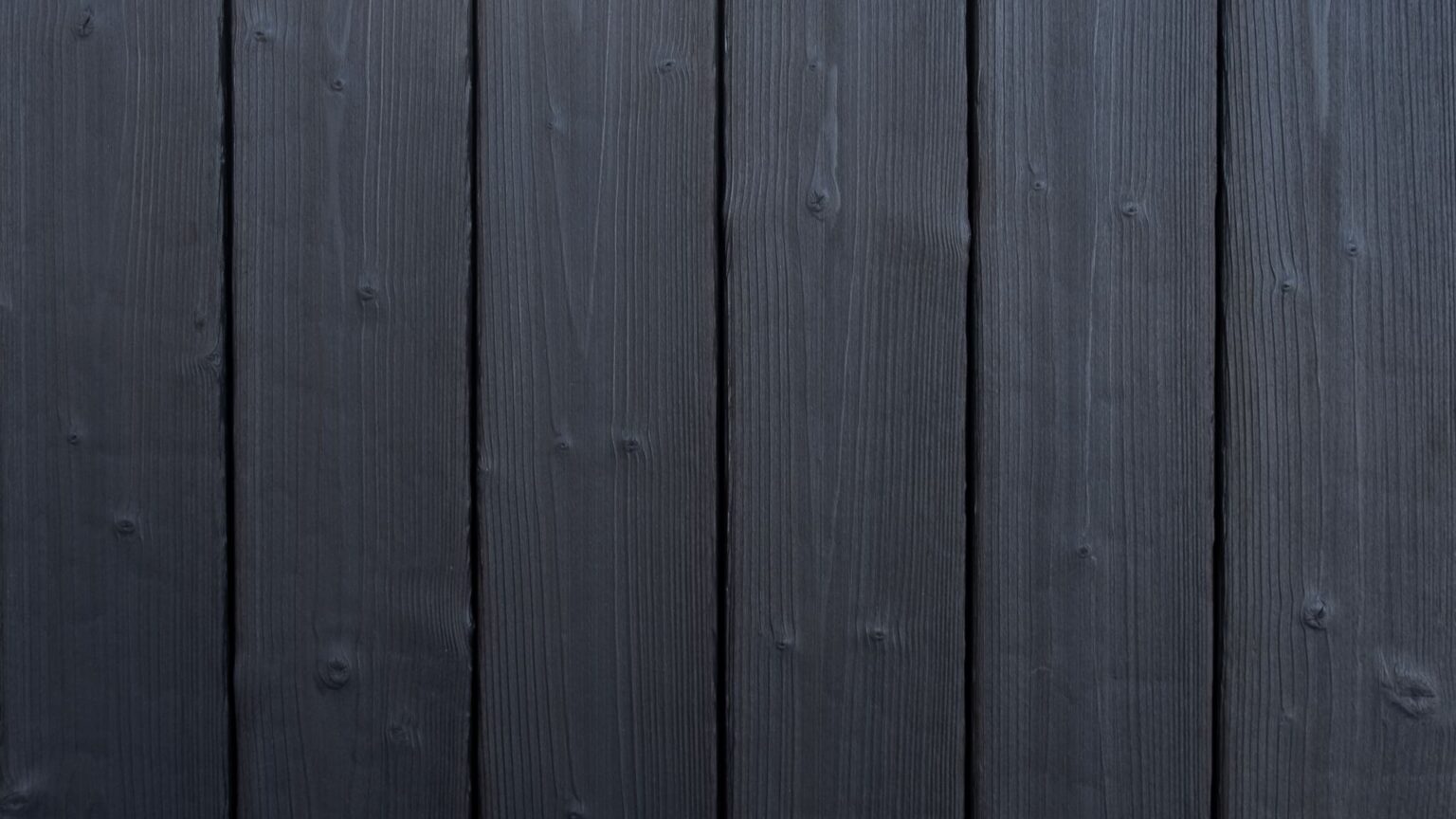
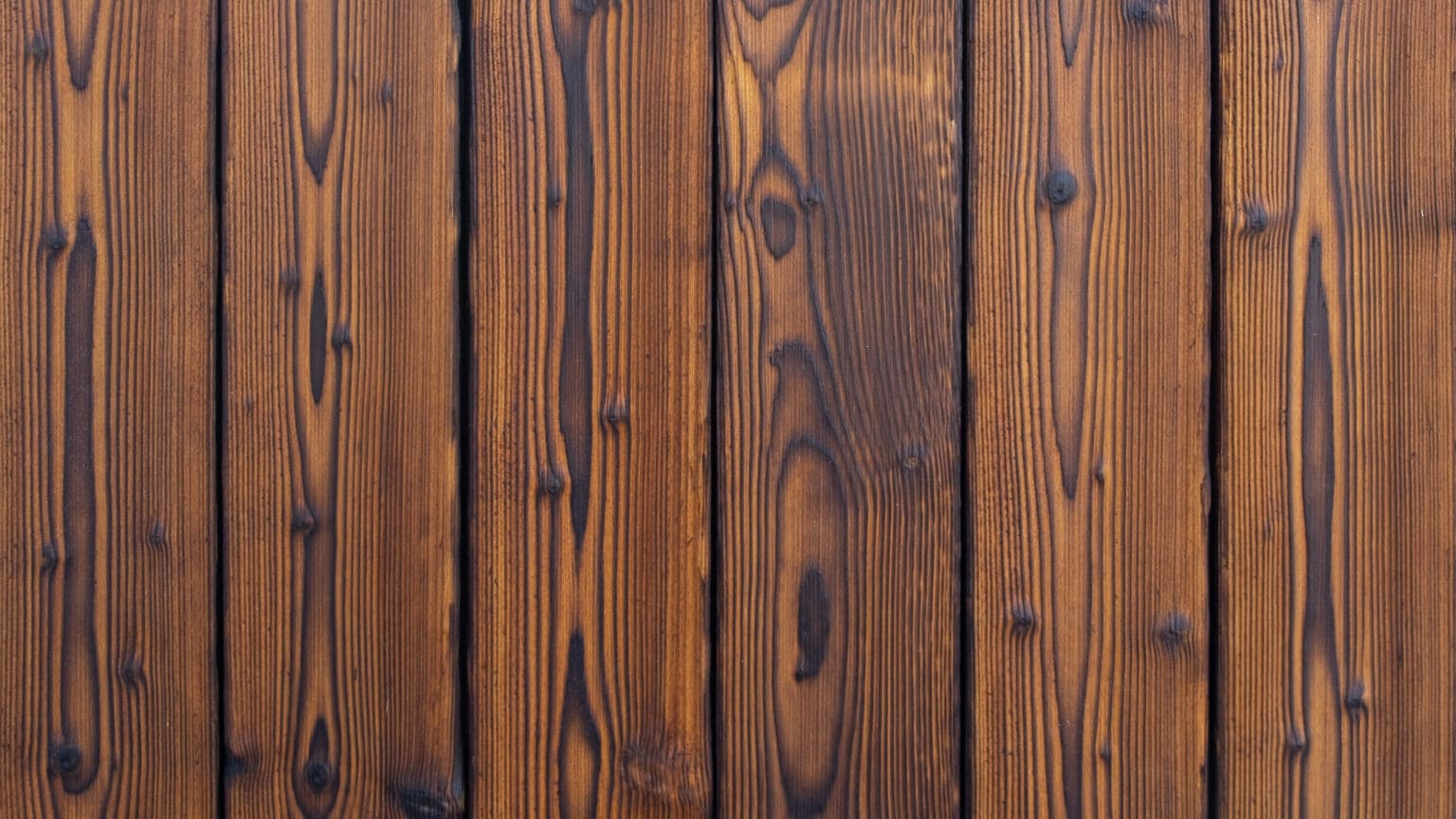
Wood Quality
In production we use only high-quality Scandinavian AB-grade timber. This premium raw material ensures a consistently reliable and superior result for every product we deliver.
Aesthetic Variety
By combining different wood species with various finishes, you can choose from bold textures, natural grains, or minimalist tones, ensuring your project perfectly reflects your architectural vision.
sustainability
Wood burning process is widely recognized as a sustainable solution. This natural method increases the longevity of the wood without the use of toxic chemical preservatives.
Versatility
Burnt wood is a versatile material adaptable for both exterior and interior design. Using it across different areas of a project help to maintain a consistent and sophisticated look from the outside in.
Solutions for Your Space
Burnt wood allows you to create durable and aesthetic solutions for a wide variety of environments – from exterior facades and decking to sophisticated interior accents and fencing. The natural wood burning process provides high resistance to environmental factors while adding a unique visual character to every project.
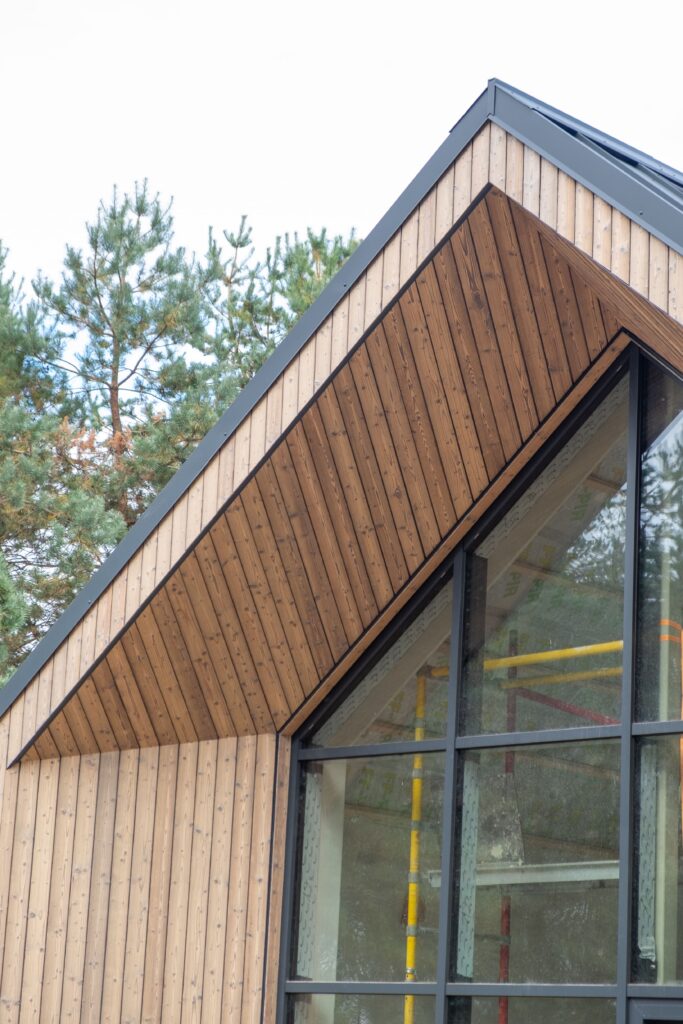
Burnt Wood for Facades
Durable wood cladding featuring increased resistance to environmental factors.
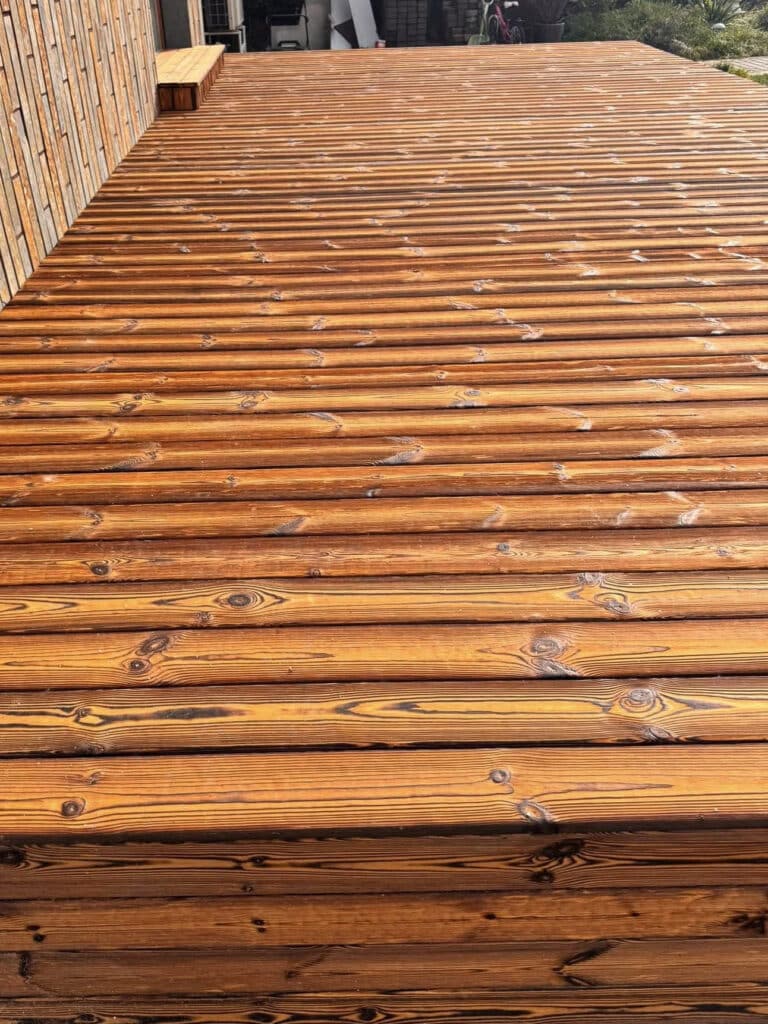
Burnt Wood for terrace
A solution for outdoor spaces that maintains its aesthetic appeal even under intensive use.
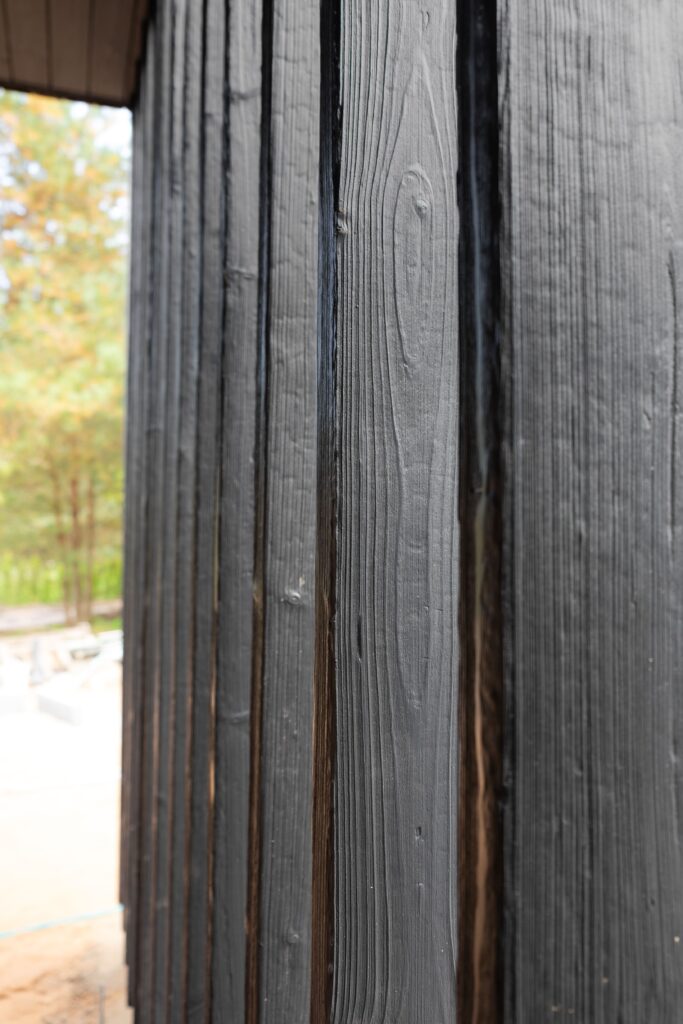
Burnt Wood for fence
An attractive solution, resistant to environmental factors and requiring minimal maintenance.
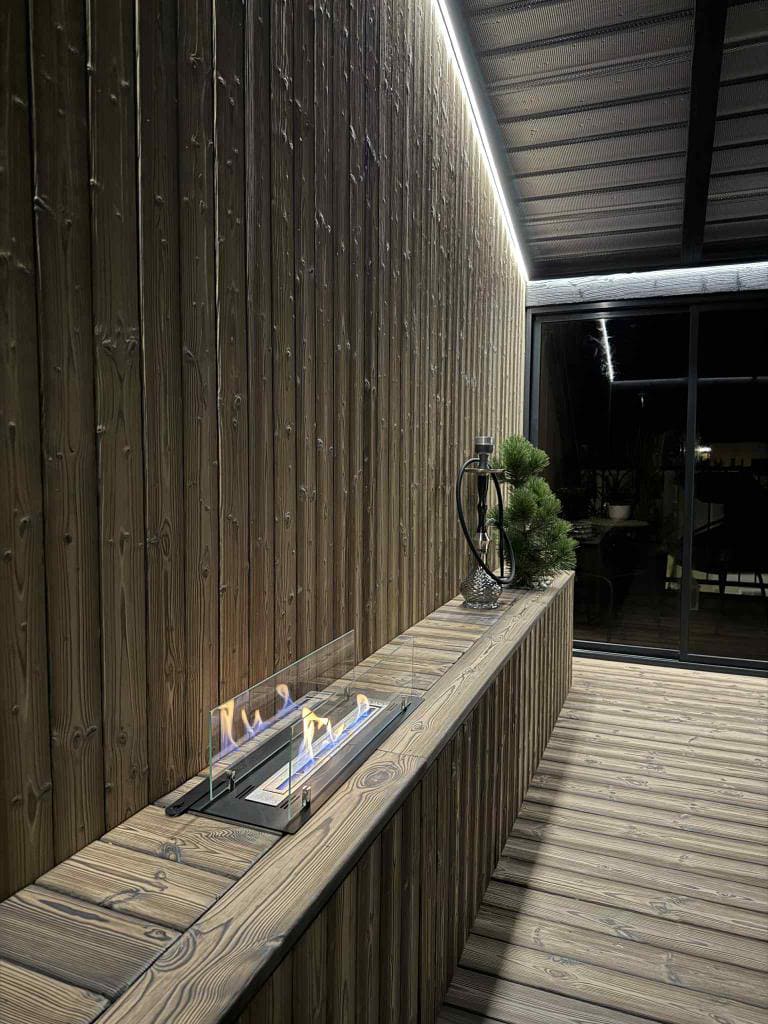
Burnt Wood for interior
Accent cladding that brings depth, warmth, and the unique character to any interior space.
Frequently Asked Questions
Burnt wood cladding consists of natural timber boards whose surface is charred with an open flame to provide protection against environmental factors and a distinctive appearance.
During the wood burning process, organic substances in the surface layer of the timber are reduced, which eliminates the primary food sources for pests and microorganisms. The carbonization of the upper layer decreases moisture absorption and increases the surface resistance to environmental factors, preserving the natural wood structure without the need for chemical preservatives.
The fundamental difference lies in the processing method. Thermowood is treated with high temperatures without a flame; during this process, moisture is evaporated and the entire structure of the timber is affected, making the wood more stable and resistant to environmental factors. In contrast, burnt wood is treated with an open flame, affecting only the surface. Consequently, the internal structure of the burnt wood remains unchanged, while the exterior gains a vivid texture and a protective surface layer.
Yes, over time, burnt wood cladding will gradually change color due to UV exposure. If you wish to maintain the original shade, it is recommended to periodically clean and re-oil the boards.
Every board is unique and reacts differently during the wood burning process due to variations in the natural timber structure, such as grain patterns and density. This is considered a primary advantage of burnt wood, as each plank is distinct, providing spaces with an authentic, non-mass-produced aesthetic.
Burnt wood cladding is often considered a more sustainable wood finishing solution not because of the charring process itself, but because of the product's entire life cycle. Charring the wood surface is a natural process that increases resistance to environmental factors without the use of chemical preservatives.
Carbon dioxide is released during the burning process; however, these emissions are biogenic in origin. Unlike the production of chemically treated timber, no long-lasting synthetic chemicals are used here.
A key aspect of sustainability is longevity. Burnt wood lasts longer than regular timber, so with proper maintenance, it reduces the need for frequent replacement, additional processing, and transportation. Over its entire lifespan, this allows for a reduction in the overall environmental impact, even if some emissions occur during the initial stage.
Find the Perfect Color
When choosing wood cladding, it is not only the technical properties that matter, but also how the material looks in a real-world environment. Burnt wood is characterized by a natural texture, varying shades, and a unique surface that cannot be fully appreciated from photos alone.
By ordering samples, you can personally evaluate the color, wood grain, and surface feel to make a confident decision for your project.