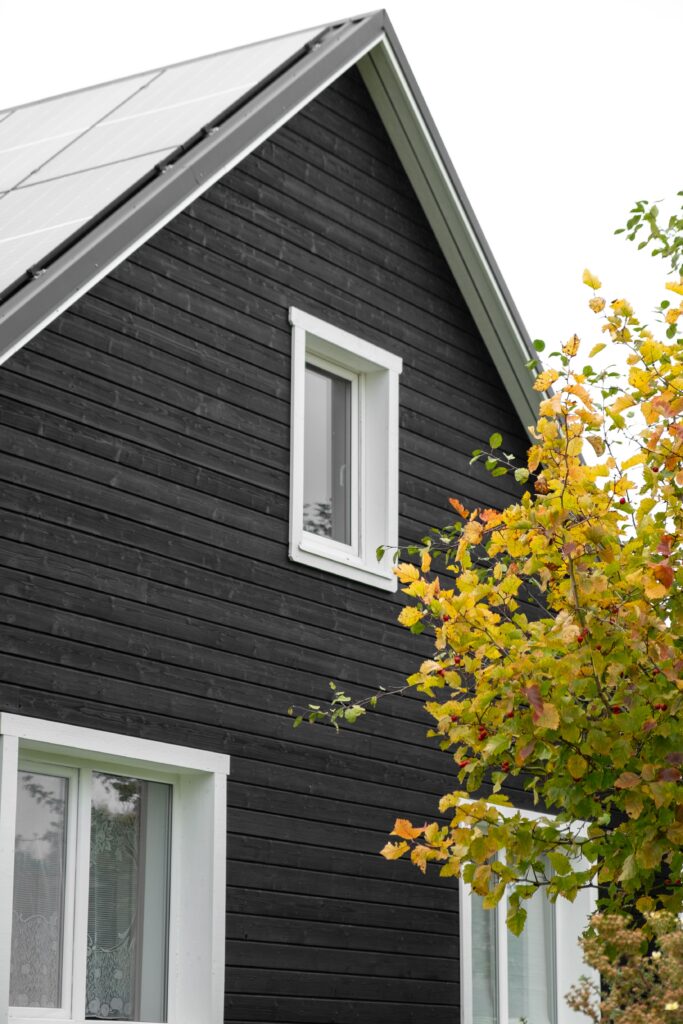
Charred spruce
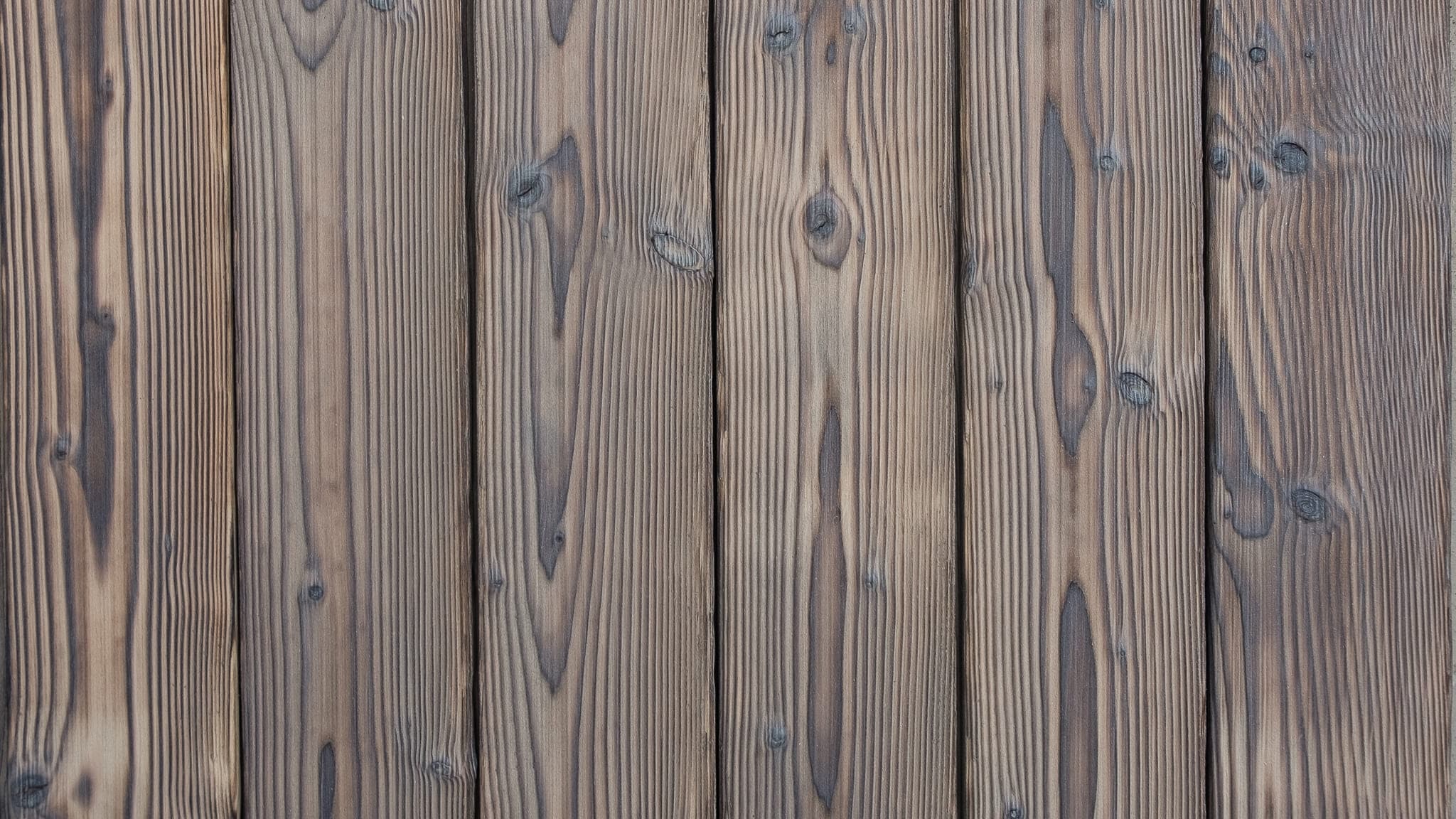
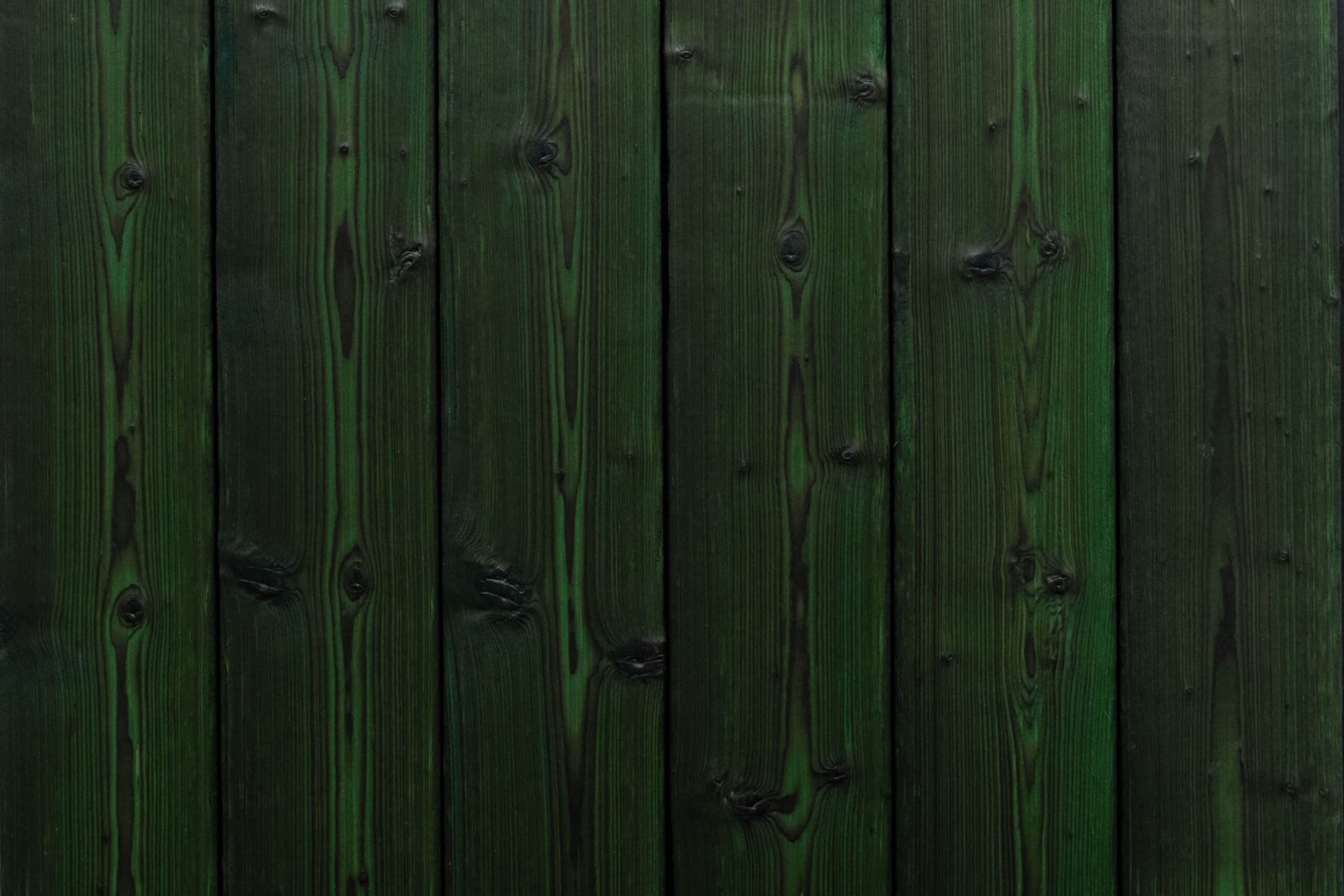
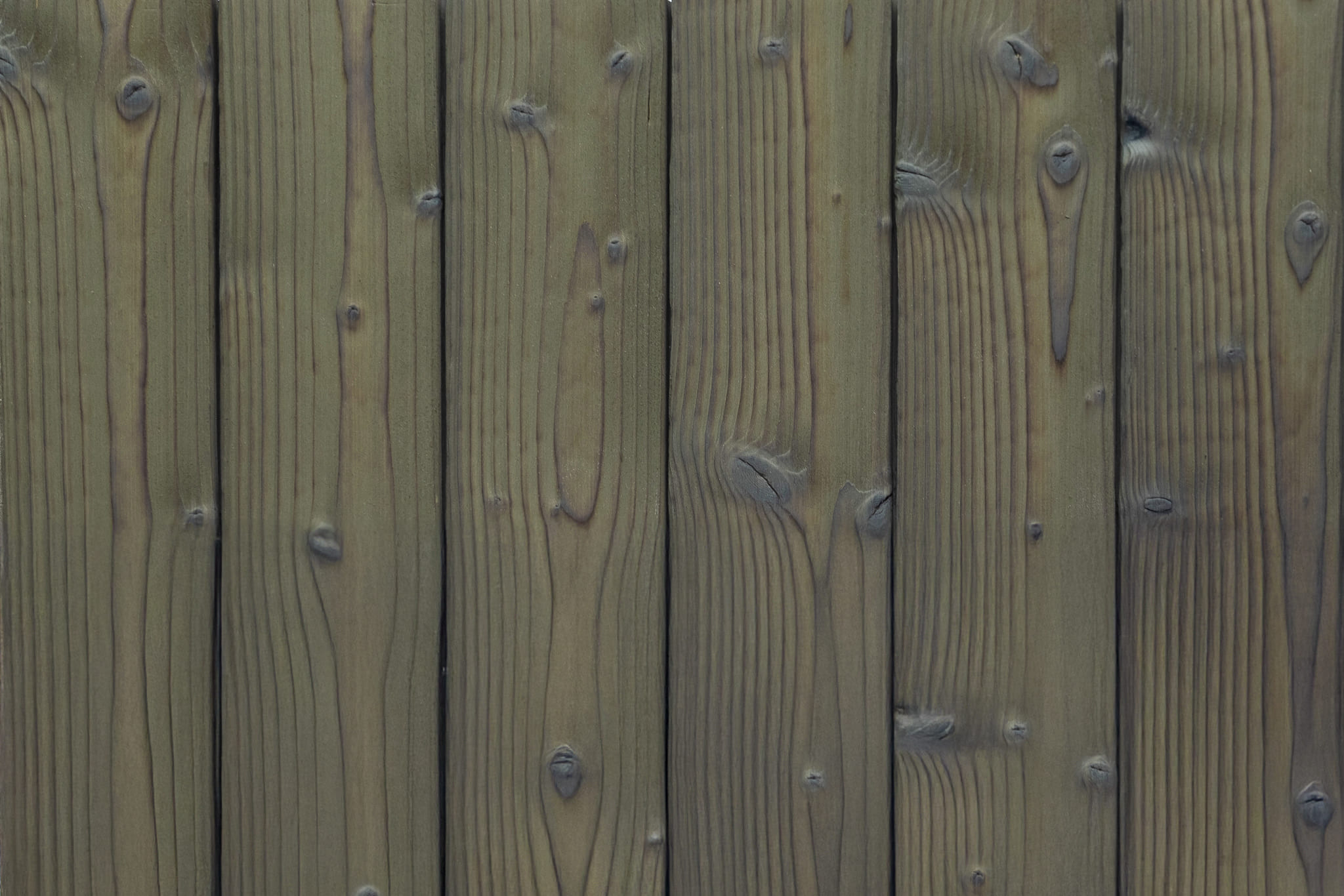
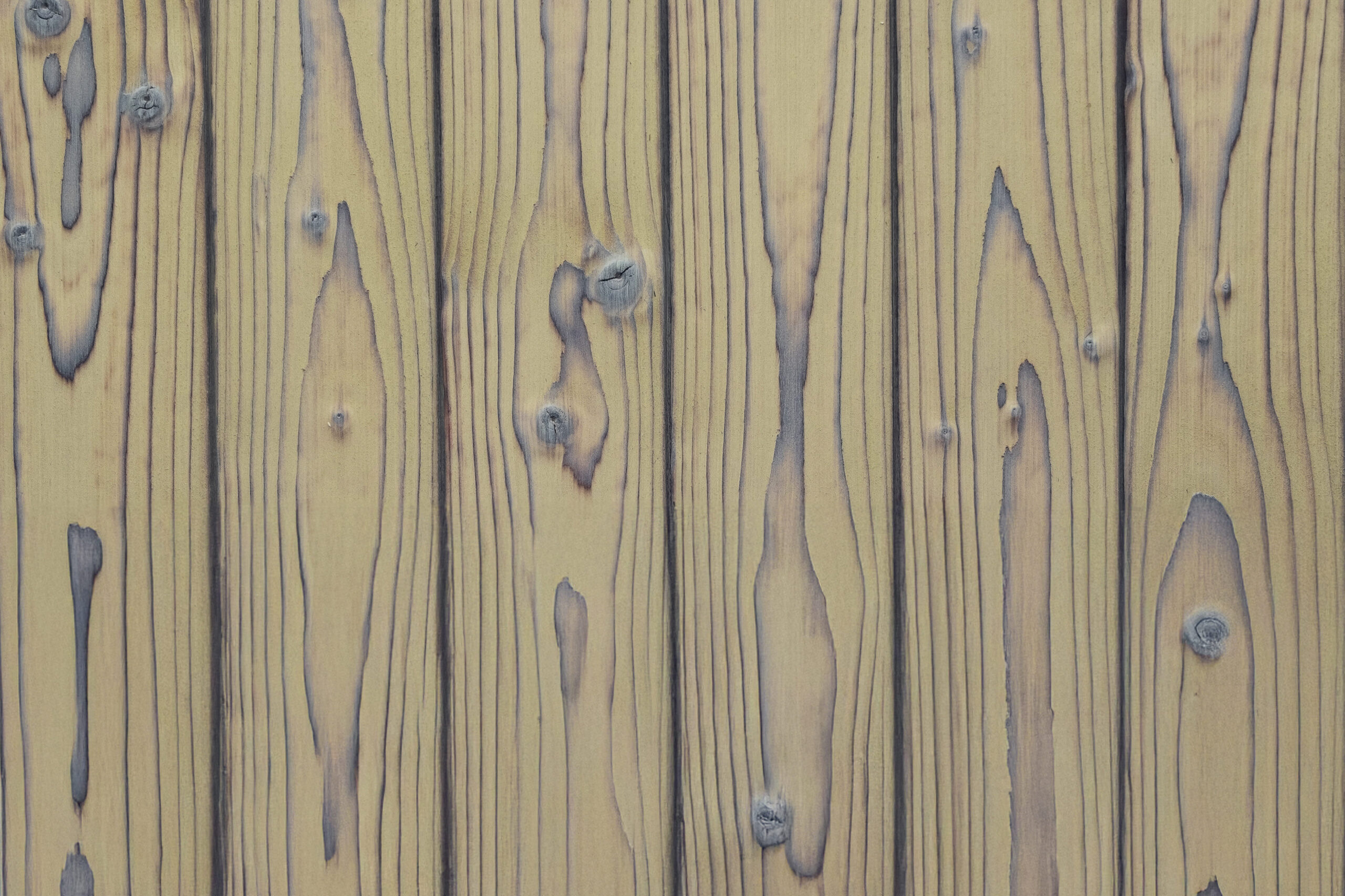
Charred spruce is wood that has been treated with fire, characterized by a subtle grain, a smooth surface, and distinctive resin pockets. It is the perfect choice for those who appreciate a functional, cost-effective solution with a balanced visual appeal.








Why should you choose a burnt spruce?
RESISTANCE
Spruce wood burning reduces moisture absorption in the surface layer, while the oil slows down the effects of UV radiation.
cost-effectiveness
An excellent solution for large-scale projects where cost-effectiveness and exceptional visual results are key.
APPEARANCE
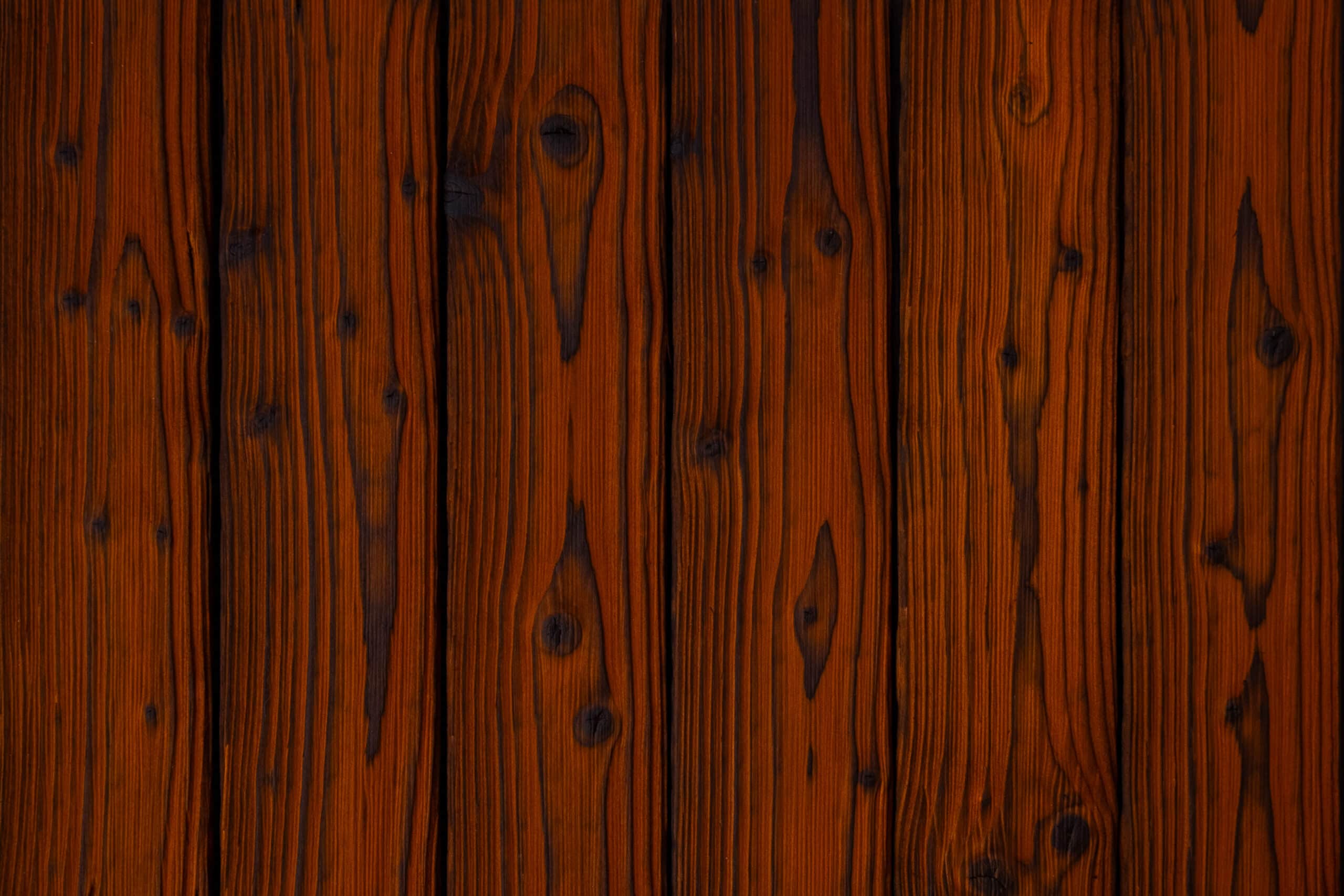
The fire highlights the natural grain of the spruce wood and creates a visually striking surface.
How does charred spruce differ from charred larch?
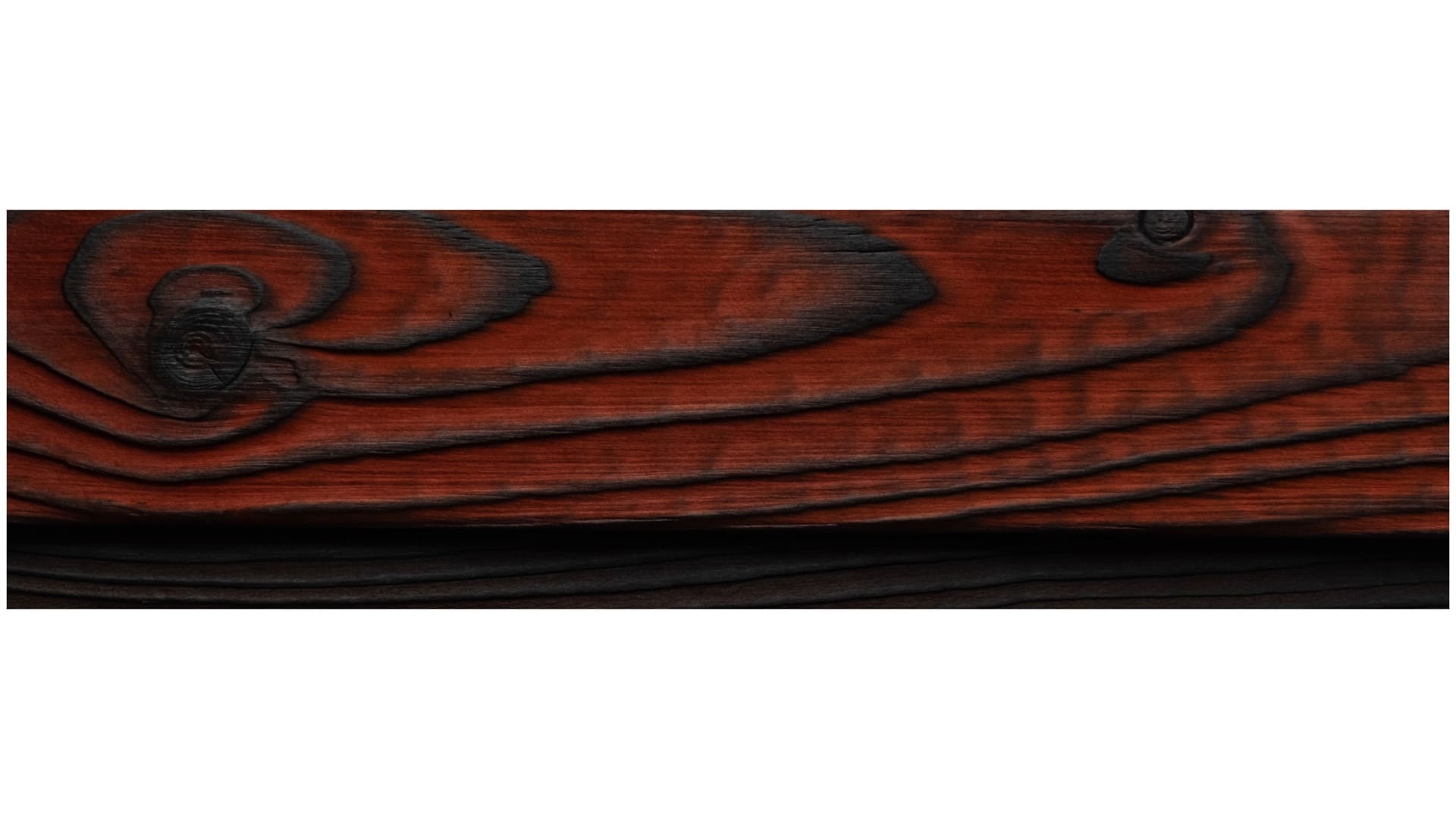
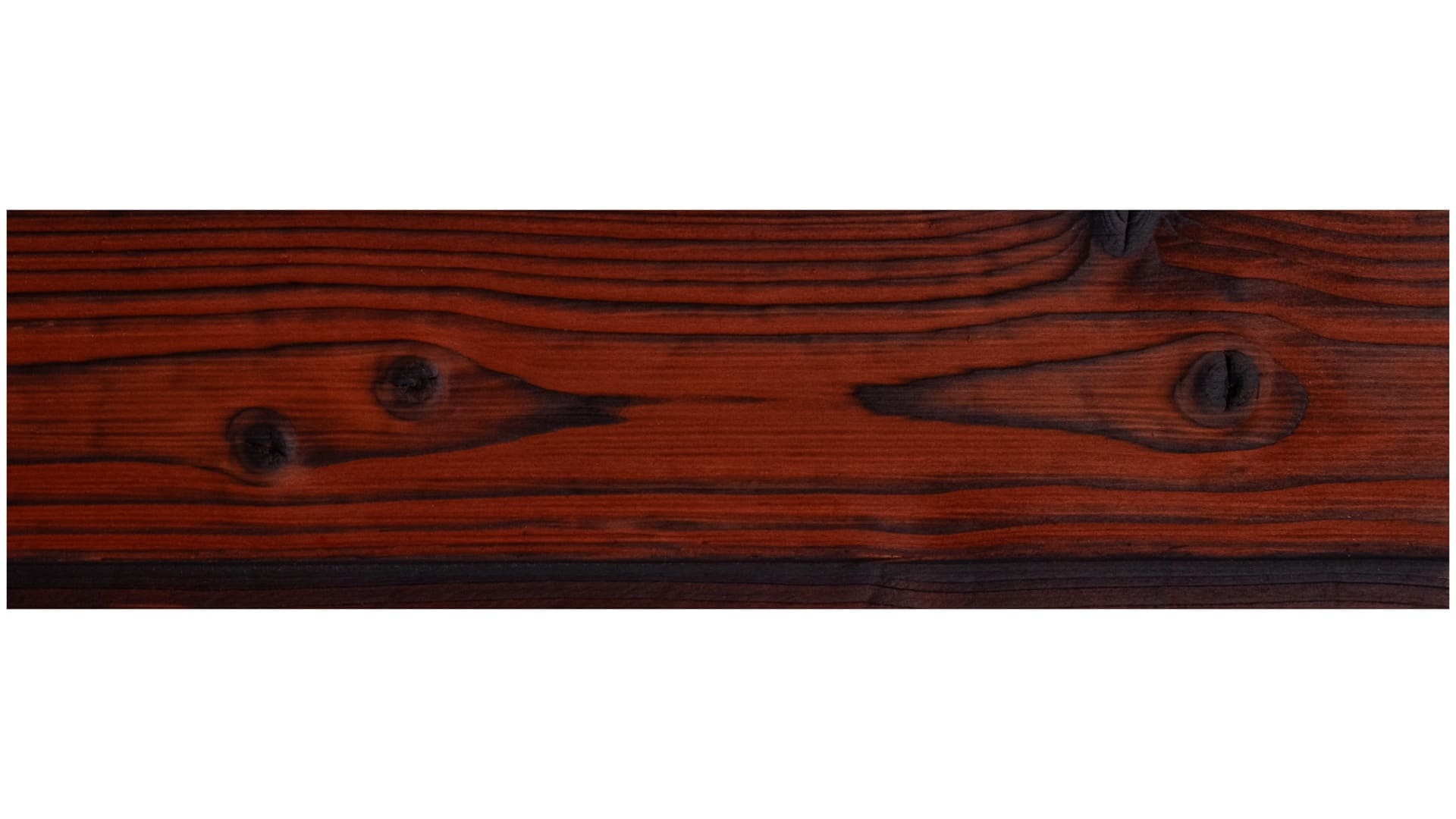
Appearance
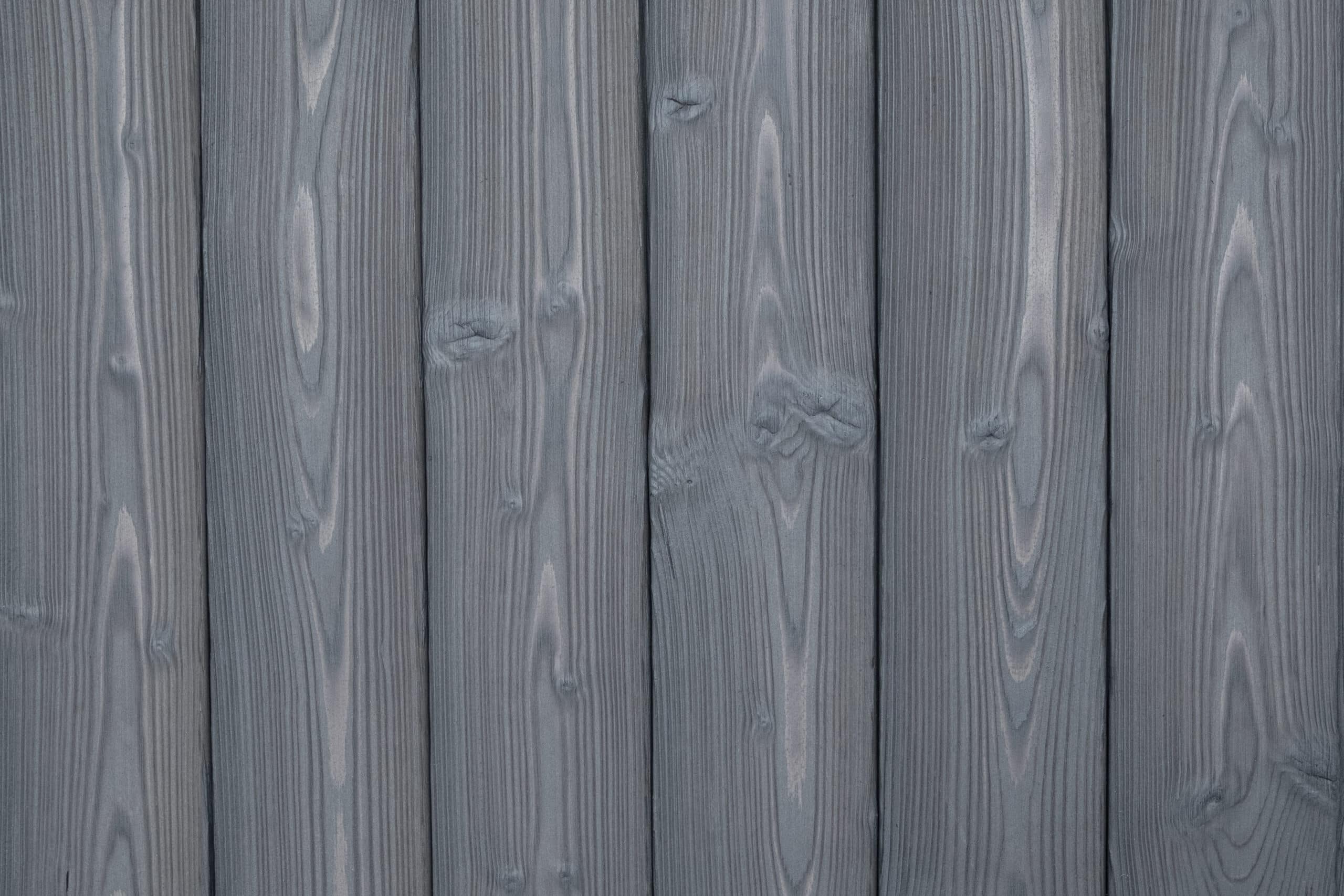
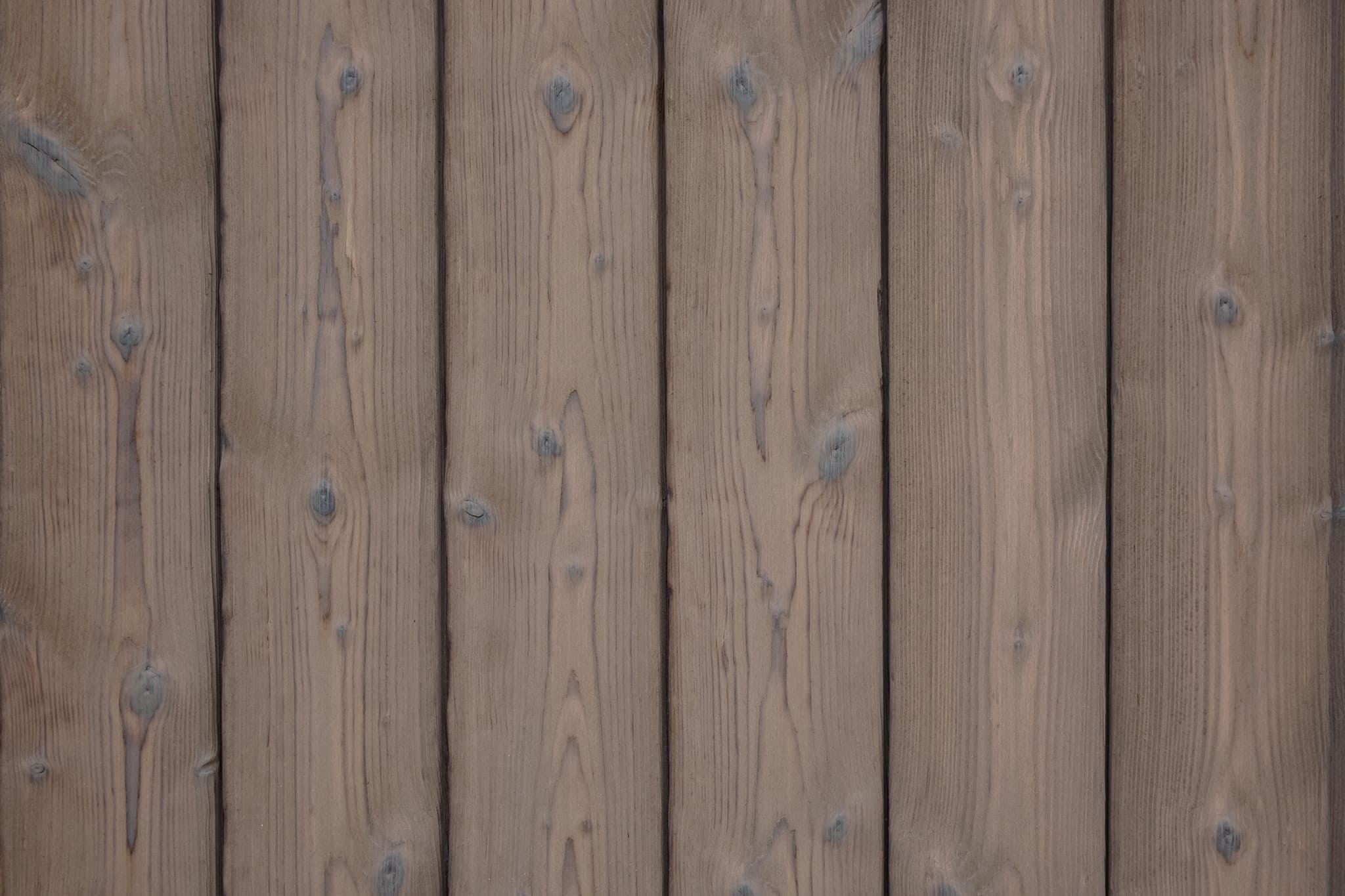
Charred spruce wood is lighter in color, has a more subtle grain, and a more even tone. Charred larch has a distinct texture, which creates a visually striking surface.
Compare the grain patterns of charred larch and charred spruce using the slider provided. The photos show a comparison of the Medeksa Terra color.
Properties of wood
Spruce wood is characterized by its light weight, ease of processing, and good structural properties, which is why it is often used in construction and finishing where efficiency and cost-effectiveness are important. You can read more about the natural properties of spruce in the European Spruce technical description.
Larch wood is characterized by higher density and natural resistance to environmental factors, making it a popular choice for finishes where stability and durability are key. You can read more about the natural properties of larch in the technical description of European larch.
Price
Charred spruce wood is considered a more economical choice. Charred larch wood falls into the higher price range.
Frequently Asked Questions
Over time, the color of the surface will naturally change due to environmental factors; if you wish to preserve the original color, we recommend that you regularly re-stain the charred spruce siding.
Yes, regular oiling helps maintain the color of the charred wood surface. Oil containing UV filters slows down the effects of the sun, reduces color fading, and minimizes moisture absorption in the surface layer.
No. The charred siding we manufacture is delivered ready for installation, so no additional surface coating or other treatment is required.
The direction of installation affects how the surface of charred wood interacts with moisture and air circulation. Vertical installation facilitates water drainage, while horizontal installation requires more precise structural solutions to prevent moisture buildup.
Improper horizontal installation can lead to moisture accumulation, which may eventually affect the durability of the charred wood.
After processing, charred wood may retain a natural charred wood scent, which fades over time.
When refinishing the surface in the future, we recommend using the same oil as was used during production, or water-based oils designed for charred wood surfaces.
Make your decision with confidence
When making decisions, it’s not just aesthetics that matter, but also technical and cost considerations.
In our product catalog, you’ll find available wood profiles and standard prices, and by ordering samples, you’ll be able to assess the texture and colors of the charred wood in your own environment.